
Proper training of individuals in each of the impaired driving disciplinary areas is critical in the fight to end impaired driving.
Online Prosecutor Trainings are necessary to help ensure effective prosecution of DUI cases. Many prosecutors who work on DUI cases are fresh out of law school, yet impaired driving cases are the most complex cases to prosecute. Education is needed to provide an in-depth understanding of how to prosecute impaired driving. The National District Attorneys Association has developed two-online training courses – Prosecuting DUI Cases and Investigating and Prosecution of Drug-Impaired Driving Cases. These two courses are free and qualify for CLE training. Learn more here.
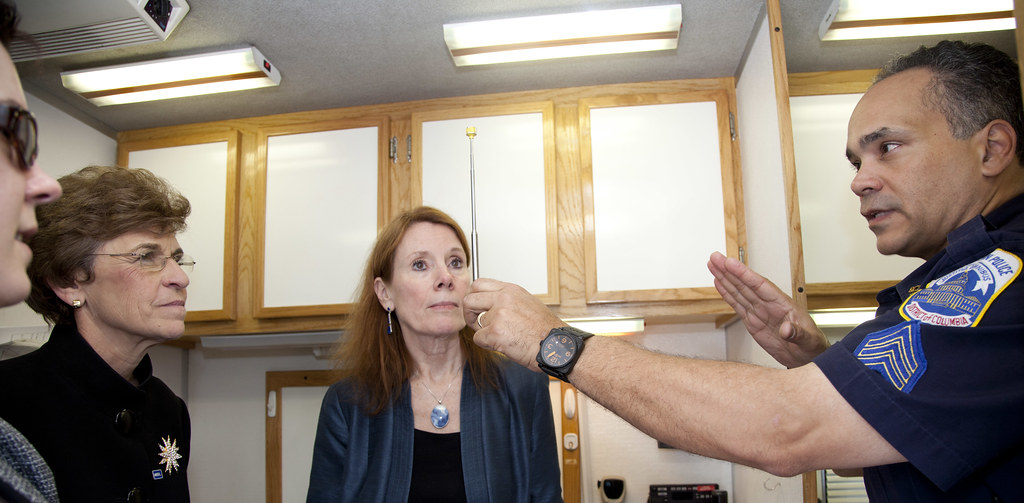
Wet lab and green lab training are a great way for law enforcement, judges, and prosecutors to learn the signs of alcohol and cannabis impairment. In a controlled environment, volunteers are dosed with various amounts of alcohol or cannabis while attendees learn about the science of alcohol and cannabis impairment. Then attendees are given a chance to observe the volunteers undergo a series of impairment tests and document the results. Responsibility.org and the National District Attorneys Association have published a Cannabis Impairment Detection Workshop Guide with step-by-step instructions on how to host a green lab.
Judicial training is a critical component of efforts to reduce multiple-substance impaired driving. Every judge should strive to impose sentences that identify substance use and mental health disorders, ensure appropriate treatment when indicated, and include supervision requirements designed to rehabilitate offenders and reduce recidivism.
Resources:
Most impaired drivers serve their sentence in the community under the supervision of probation officers. Community supervision aims both to protect public safety and to encourage behavior change. To be effective, community supervision officials should rely on the use of validated assessments, proven methods and interagency partnerships.
Of the more than 4.5 million individuals subject to community supervision orders, at least 15% have one impaired driving conviction on their record, and approximately 8% are repeat DUI offenders.
DUI offenders are a challenging population to supervise, and they tend to be inconsistently supervised due to varying procedures across jurisdictions.
When monitoring, accountability, and treatment occur together, community supervision agencies can facilitate long-term behavior change.
Resources: